How to Compete With Giants Without Losing Yourself
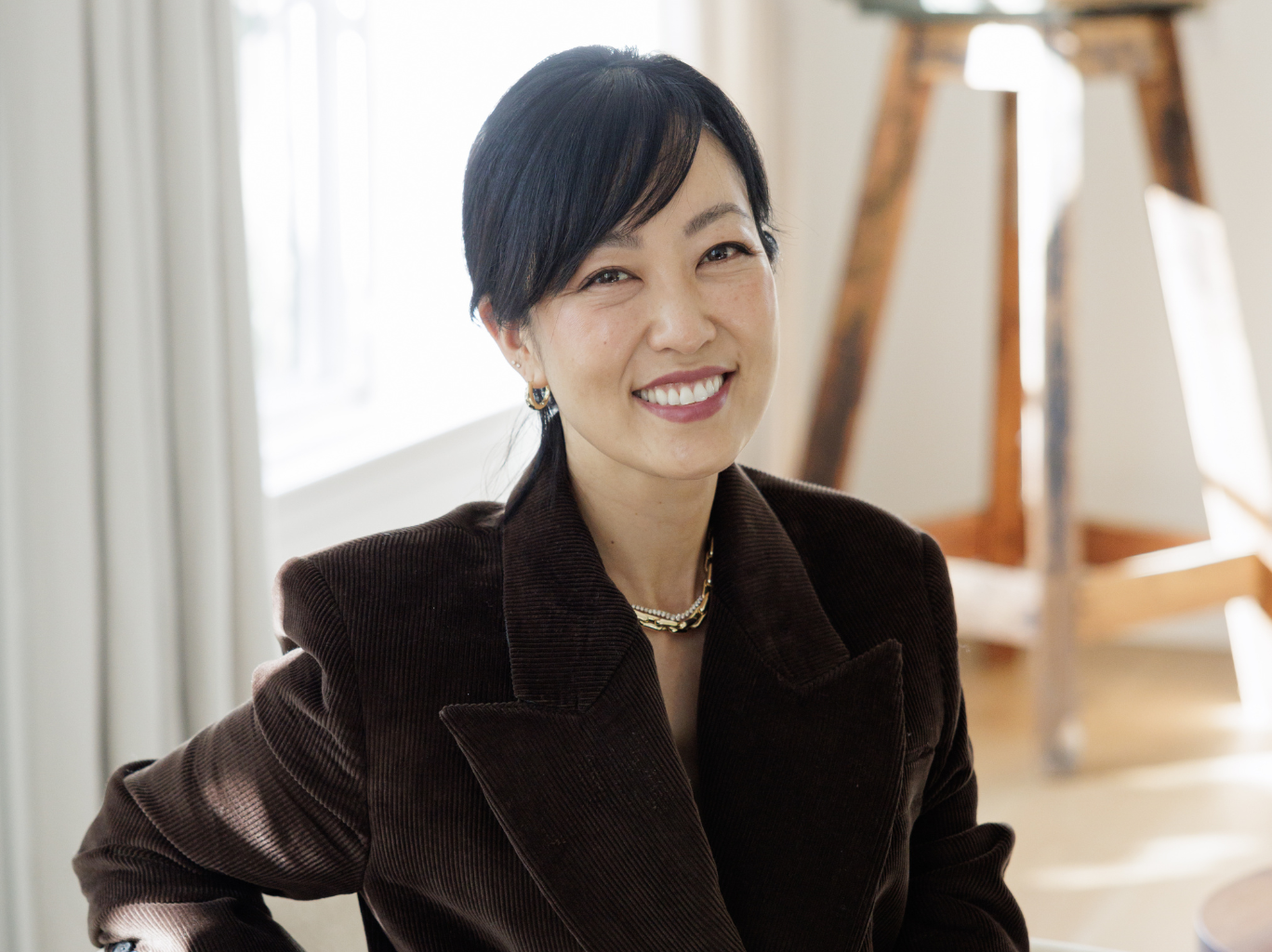
Written By Dr. Julie Chung
When we launched T3 in 2004, we did not set out to disrupt a category. We simply wanted to make a better hair dryer, one that combined thoughtful design with better performance and hair health.
Today, T3 is still family-owned, self-funded, and focused on one category: hair tools. In a space now dominated by billion-dollar brands with massive marketing engines, we have stayed independent by staying disciplined and customer-focused.
Here is how we have grown over two decades, and what I believe every founder should consider when entering a crowded market.
1. Design for Real Women, Not Headlines
At T3, we do not build features for the sake of technology. I am a physician by training, and I have always viewed product design through the lens of health, safety, and performance. Our customers, women with full lives, need tools that are intuitive, reliable, and protective of their hair.
Every product we have created, from our original Featherweight dryer to the Aire 360, has started with one question: what would actually make her experience better?
Takeaway: If you are building a product in a competitive space, solve for something practical, not performative.
2. Chase Performance, Not Trends
When new categories like air styling first emerged, we did not rush to launch. We listened. We watched. And when we saw clear pain points, like curls that did not last, we focused on solving those.
That is how we developed the Aire 360. Its ceramic barrels deliver longer-lasting results and are far healthier than the plastic alternatives.
Takeaway: Every category has trends. What matters is knowing when to lean in, and how to do it in a way that aligns with your values and strengthens your product.
3. Self-Funding Created Discipline
We did not plan to remain self-funded. It just happened that way. And while it may have slowed us down, it taught us how to make decisions with care.
We have never had outside capital telling us to grow at all costs. That freedom has allowed us to stay focused, pivot when needed, and put quality over quantity. It also means we have to be incredibly clear about what matters and what is just noise.
Takeaway: Founders with funding can still benefit from this mindset. Spend with purpose. Build what is worth building. Let discipline shape your direction.
4. Your Product Has to Earn Its Place
You cannot out-market a weak product, especially in a category where customers are spending hundreds of dollars and expecting results.
From the beginning, we have prioritized performance. Every T3 tool is tested to deliver what it promises. We do not launch until we are confident it outperforms anything in its class.
Takeaway: Marketing can bring someone in. But performance brings them back. And that is what builds brand loyalty over time.
Final Thought: Play the Long Game
At T3, we have grown with purpose. Slowly, steadily, and intentionally.
We have earned trust by prioritizing quality, listening deeply, and designing with care. We did not build to win the moment. We built to last.
And that is still the plan.
About Dr. Julie Chung
Dr. Julie Chung is the co-founder of T3 and the muse behind the brand’s first product, the T3 Featherweight hair dryer, which helped define the premium hair tool category when it launched in 2004. A trained eye surgeon and graduate of UCLA and UCSF, she brings a unique blend of medical precision and deep category insight to her work. After years in surgical practice, she returned to T3 in 2023 to help lead the brand’s next chapter of growth.